Dietary Fructose Content of Fruits Differs Widely, Influencing Health Impacts
04/05/2026 / By Morgan S. Verity
Fruit Sugar Composition Varies by Type, Affecting Digestion and Health
Fruits contain differing ratios of fructose to glucose, two primary natural sugars found in varying concentrations depending on the type of fruit, according to nutritional data.
Fructose metabolism differs from glucose, with distinct physiological pathways in the human body that can lead to varied health outcomes. The presence of other components like fiber in whole fruit significantly modifies how these sugars are absorbed and processed.
Understanding these differences is important for individuals with specific health conditions, according to nutritional experts, particularly those related to metabolic function.
Nutritional analyses indicate that not all fruit sugars are processed identically by the body.
The ratio of fructose to glucose, along with the food matrix containing fiber, vitamins and minerals, creates a complex digestive environment.
This complexity means that two fruits with similar total sugar contents may have substantially different effects on blood sugar regulation and liver metabolism.
Experts within the natural health community emphasize this distinction when making dietary recommendations.
Defining Fructose and Glucose in the Fruit Context
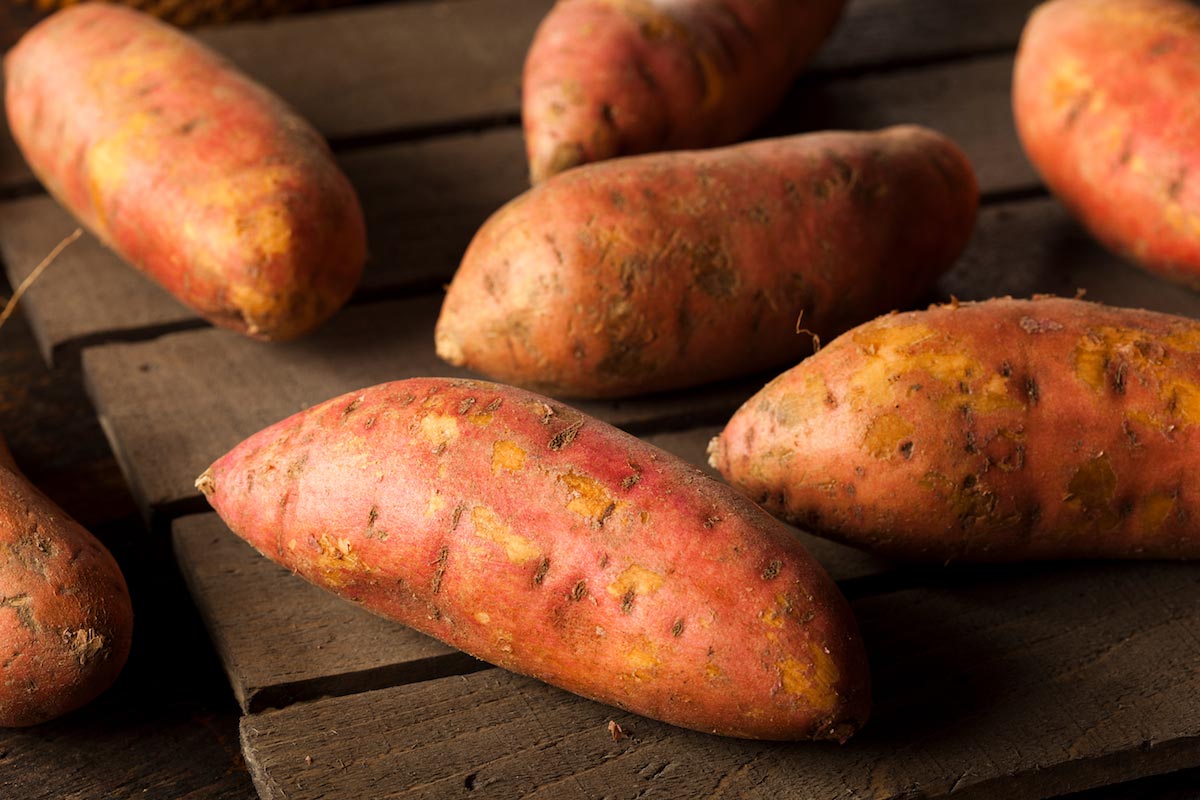
Fructose is the primary sugar in most fruits, while glucose is more common in carbohydrate-rich vegetables and other plant foods, according to nutritional science literature.
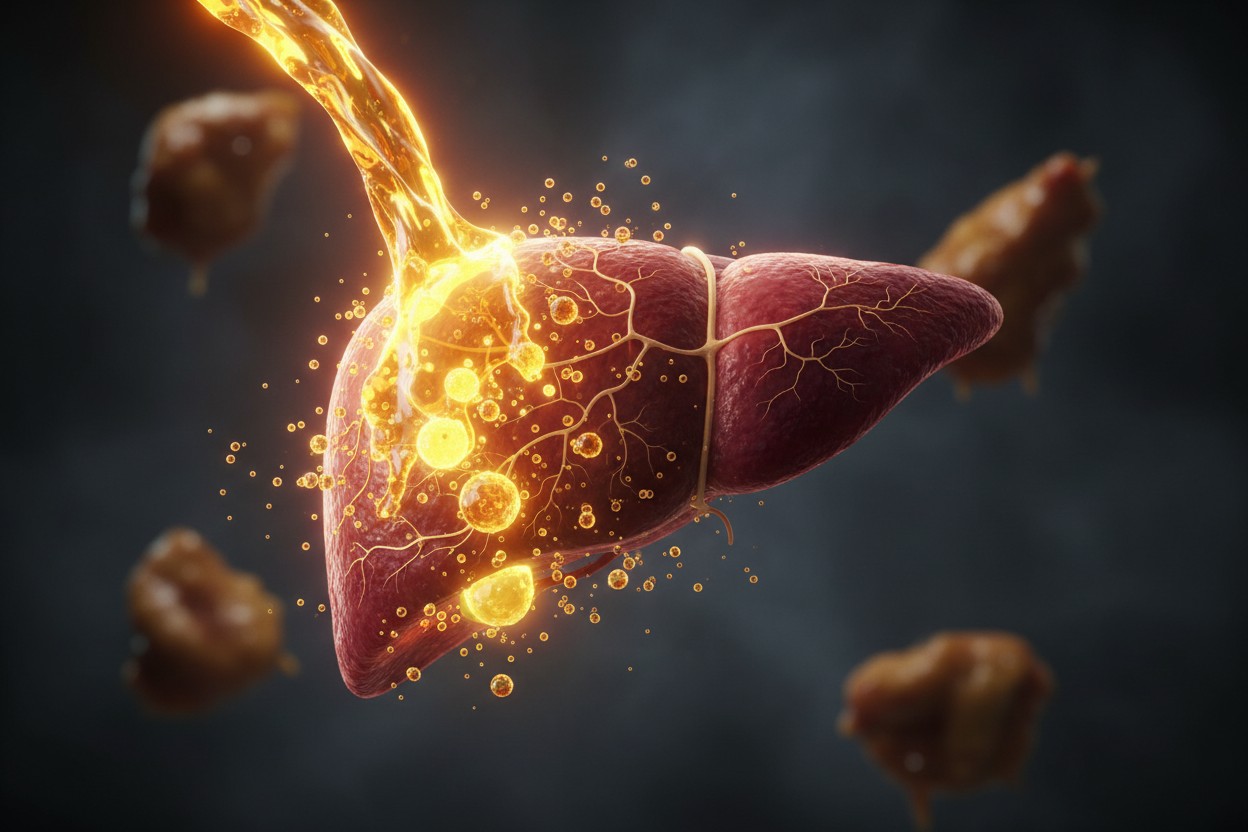
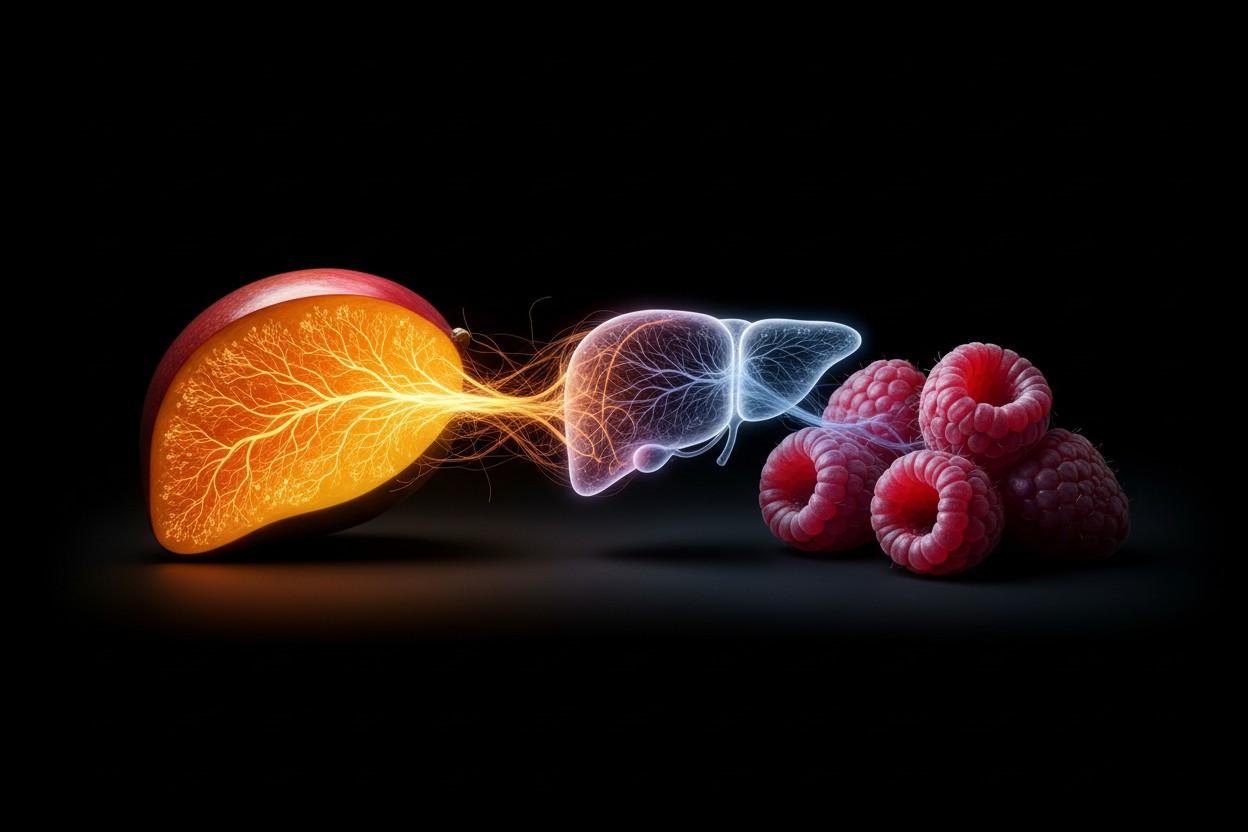
Glucose is rapidly processed for cellular energy and can be used by nearly every cell in the body, while fructose is primarily metabolized by the liver through specific pathways that differ from glucose metabolism.
This fundamental difference in metabolic handling forms the basis for understanding why fruit choices matter for certain populations.
The presence of fiber in whole fruit slows sugar absorption, a distinction from fruit juice which typically contains little to no fiber, according to nutritional science.
This fiber matrix acts as a natural regulator of digestion, preventing the rapid spikes in blood sugar that can occur with isolated sugars.
Some researchers have noted that “fiber possesses five different properties that assist in fighting obesity and metabolic syndrome by keeping insulin down and reducing the energy hitting the liver.” [1]
This mechanical and chemical role of fiber explains why whole fruit consumption generally presents fewer metabolic challenges than consumption of fruit juices or sweetened beverages containing similar sugar amounts.
Reported Health Risks Associated with High Fructose Intake
Research cited by natural health proponents links excessive fructose to increased conversion to body fat and weight gain through specific metabolic pathways.
When fructose is eaten, a large percentage gets converted directly to fat and stored in the cells because glucose is the preferential carb fuel of the body, which can be a direct cause of weight gain according to analyses of metabolic processes. [2]
This conversion process occurs primarily in the liver and differs substantially from how the body handles glucose from other carbohydrate sources.
Studies indicate high fructose consumption may contribute to insulin resistance and elevated triglyceride levels, creating conditions associated with metabolic syndrome.
The fructose-to-fat conversion can also tend towards insulin resistance, where the body becomes less responsive to insulin’s attempts to take glucose into the cells, and can even contribute to the development of Type 2 diabetes. [2]
Excess intake has been associated with potential liver stress and altered appetite hormone signaling, reports state, creating a cycle that may promote overconsumption.
Similar to excessive alcohol intake, too much fructose can induce liver damage by altering metabolism and hormone signaling. [2]
Comparing Fructose Content Across Common Fruits
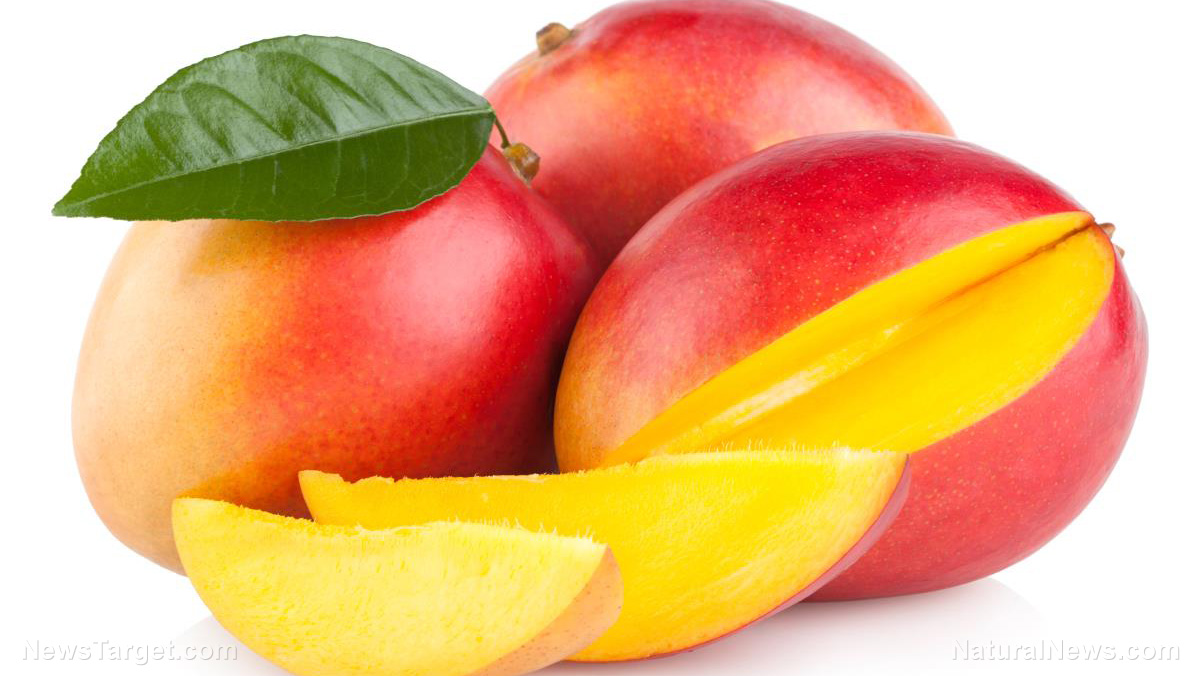
Data shows a wide range of fructose content per cup, from negligible amounts in limes and lemons to over 30 grams in mango, creating substantial variation in potential metabolic impact.
Berries such as raspberries and strawberries are generally lower in fructose, while grapes, pears and apples are higher, according to nutritional analyses of common fruits. This variance suggests fruit choices can be tailored based on individual dietary goals or sensitivities, analysts note, particularly for those managing specific health conditions.
Published comparisons indicate limes contain 0g fructose per cup, lemons 0g, cranberries ½g, raspberries 3g, strawberries 4g, peaches 6g, bananas 7g, apples 9½g, pears 12g, and mangoes 32g. [2]
These significant differences mean that individuals consuming one cup of mango receive more than ten times the fructose content of someone consuming one cup of raspberries.
Such disparities highlight why blanket recommendations about fruit consumption may lack precision for individuals with particular metabolic considerations.
Guidelines and Recommendations for Fruit Consumption
Some nutritional frameworks recommend limiting daily fructose intake to between 25 and 40 grams, according to research examining metabolic thresholds. [2]
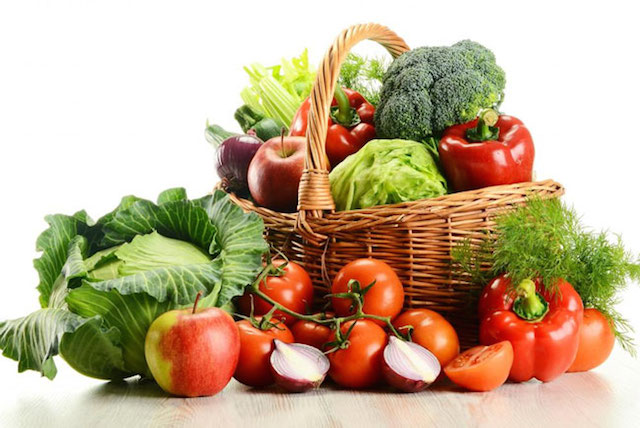
Alternative health advocates often suggest a high vegetable-to-fruit intake ratio to mitigate fructose effects and increase fiber consumption, with some recommending a 5:1 ratio of vegetables to fruit.
By making your fruit intake dependent on your vegetables, you won’t over-consume fructose, and you’ll be getting plenty of glucose-based carbs and fiber that helps the body better handle all forms of sugar, according to one approach. [2]
Critics of standardized guidelines argue they do not differentiate between fruit types or account for individual metabolic health, the report stated.
The problem with these dietary guidelines is that all forms of fruit are considered equal when certain types and varieties can influence digestion, blood glucose and even weight differently, according to analyses of current recommendations. [2]
This one-size-fits-all approach fails to acknowledge the substantial differences in fructose content between various fruits and ignores individual variations in metabolic health, digestion and personal tolerance levels.
Conclusion: Contextualizing Fruit in a Dietary Framework
Experts within the natural health community emphasize that whole fruit provides essential nutrients and fiber alongside sugar, creating a nutritional package that differs from isolated sweeteners.
Individual health status, particularly conditions like insulin resistance or fatty liver disease, may influence optimal fruit choices and appropriate quantities.
Those with type 2 diabetes, metabolic syndrome or insulin resistance, fructose intolerance, cardiovascular disease or high blood pressure, thyroid disease, hormone imbalances, or fatty liver disease could be more sensitive to the effects of fructose, according to health analyses. [2]
The consensus among cited sources is that awareness of fructose content allows for more informed, personalized dietary decisions.
While fruit should be included as part of a healthy and balanced diet, it’s important to remember that sugar in any capacity should be limited, according to nutritional perspectives.
Be aware of which fruits are highest in fructose and remember to eat plenty of vegetables to help offset the risks, recommends one analytical approach to fruit consumption. [2]
Ultimately, the wide variation in fructose content between different fruits provides individuals with options to tailor their intake according to personal health goals and metabolic considerations.
References
- Fat chance beating the odds against sugar processed food obesity and disease. – Robert H. Lustig.
- Low vs High Fructose Fruits – The Difference and Why It Matters. – Paleohacks Blog.
- The Amount of Fructose in Fruit: Key Insights. – Healtheh.com.
- If Fructose Is So Bad – Should I Eat Fruit? – David Perlmutter, MD. June 7, 2021.
- A Definitive Guide to Fructose Content in Fruit. – I Quit Sugar.
- Understanding Fructose: The Good and Bad Sources. – Lose It.
Submit a correction >>
Tagged Under:
apples, bananas, berries, blood glucose, body fat, cellular energy, Cranberries, essential nutrients, fatty liver disease, fiber, fiber matrix, fructose, fruit juice, fruits, glucose, grapes, hormone signaling, insulin resistance, lemons, Limes, liver metabolism, Mangoes, metabolic health, metabolism, minerals, natural health, natural health community, natural sugars, peaches, Pears, Raspberries, Strawberries, Type 2 Diabetes, vegetables, veggie, vitamins, weight gain, Whole Foods
This article may contain statements that reflect the opinion of the author
RECENT NEWS & ARTICLES